US FDA Approves Perioperative Durvalumab Plus Enfortumab Vedotin for Bladder Cancer Six Weeks Early as WHO Youth Assembly Adopts Plastics Health Declaration
The US FDA approved AstraZeneca's durvalumab plus enfortumab vedotin-ejfv six weeks early for cisplatin-ineligible muscle-invasive bladder cancer based on the 695-patient VOLGA trial, while 400+ Global Model WHO delegates adopted an 11-point plastics health declaration.
By 全球伯乐 News
Source compilation
On this page
On November 13, the U.S. Food and Drug Administration (FDA) approved neoadjuvant durvalumab (Imfinzi) combined with enfortumab vedotin-ejfv followed by adjuvant single-agent durvalumab after radical cystectomy for adult patients with muscle-invasive bladder cancer (MIBC) who are ineligible for or refuse cisplatin-based chemotherapy, acting six weeks ahead of its regulatory goal date1. On the same day at World Health Organization (WHO) headquarters in Geneva, more than 400 young leaders from over 50 countries closed the fourth Global Model WHO by adopting the Youth Declaration on Plastics and Health, urging negotiators to embed binding health protections into the global plastics treaty2.

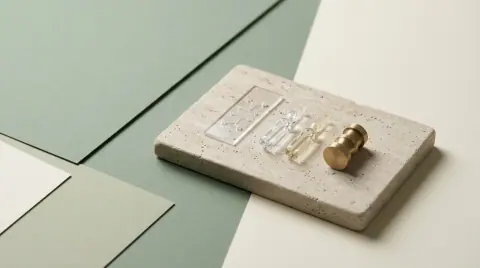
AI-generated editorial illustration: two silver-capped amber glass vials, a clear glass Petri dish holding four translucent polymer beads, and a matte-black stethoscope chestpiece on overlapping frosted glass and travertine slabs represent perioperative dual-drug bladder cancer approval and global plastics-and-health risk scrutiny, not a real clinical or WHO assembly photograph.
Phase 3 VOLGA Trial Cuts Progression and Mortality Risks in Cisplatin-Ineligible MIBC
According to the FDA Oncology Approval Notification, clinical efficacy was established in VOLGA (NCT04960709), a randomized (1:1:1), open-label Phase 3 trial enrolling 695 MIBC patients scheduled for radical cystectomy (RC) who could not receive or declined cisplatin chemotherapy1. Evaluated by blinded independent central review, patients receiving perioperative durvalumab with enfortumab vedotin-ejfv achieved statistically significant gains in both event-free survival (EFS) and overall survival (OS) compared with radical cystectomy alone1.
Median EFS was not reached in the combination arm (95% CI: 33.2 months to not reached) versus 12.1 months (95% CI: 7.6, 27.0) in the surgery-alone arm, yielding a hazard ratio of 0.51 (95% CI: 0.38, 0.67; two-sided p < 0.0001) — a 49% reduction in the risk of recurrence, progression, or death — while overall survival improved with a hazard ratio of 0.58 (95% CI: 0.40, 0.83; two-sided p = 0.0027)1. For adults weighing at least 30 kg, recommended dosing comprises durvalumab 1,500 mg every three weeks paired with enfortumab vedotin-ejfv 1.25 mg/kg on Days 1 and 8 for three preoperative cycles, followed by single-agent durvalumab 1,500 mg every four weeks for up to nine postoperative cycles1.
Project Orbis Seven-Agency Review Accelerates Perioperative PD-L1 and ADC Access
Conducted under Priority Review using the voluntary Assessment Aid within the FDA Oncology Center of Excellence's Project Orbis framework, the review coordinated concurrent regulatory evaluation across six international counterparts: Australia's Therapeutic Goods Administration (TGA), Brazil's Health Regulatory Agency (ANVISA), Health Canada, Israel's Ministry of Health (IMoH), Singapore's Health Sciences Authority (HSA), and the United Kingdom's Medicines and Healthcare products Regulatory Agency (MHRA)1.
Prescribing warnings highlight immune-mediated adverse reactions, infusion-related reactions, allogeneic hematopoietic stem cell transplant complications, and embryo-fetal toxicity, with common adverse reactions and laboratory abnormalities exceeding 20% incidence including elevated liver transaminases, decreased hemoglobin, rash, increased creatinine, pruritus, urinary tract infection, fatigue, and peripheral neuropathy1. Pairing PD-L1 checkpoint blockade with an antibody-drug conjugate establishes a perioperative option for cisplatin-ineligible patients previously limited to cystectomy without neoadjuvant systemic therapy1.
Global Model WHO Delegates Target 2027 Treaty Talks Over 16,000 Plastic Chemicals
While oncology regulators expanded targeted biologics, public health delegates in Geneva focused on upstream chemical exposure. As detailed in WHO's November 13 departmental update, the fourth Global Model WHO — organized with the World Federation of United Nations Associations from November 10 to 13 — convened delegates from all six WHO regions across six specialized committees, culminating in a declaration warning that more than 16,000 chemicals are used or present in plastics, at least one quarter of which are hazardous, with microplastic particles already detected in human blood, brain tissue, and amniotic fluid2.
Noting that the Intergovernmental Negotiating Committee Chair's August 2026 informal treaty text lacked a dedicated health article, the declaration directs 11 calls to action to the resumed global plastics treaty talks (INC-5.4) in March 2027 and the Eightieth World Health Assembly in May 20272. Key demands include legally binding health obligations across the plastic lifecycle, inclusion of health ministries on national negotiating teams, conflict-of-interest firewalls vis-à-vis petrochemical and plastics producers, measurable production cuts, phase-outs of hazardous chemicals, standardized human biomonitoring methods, occupational protections for waste pickers, and strictly time-limited medical-device exemptions prioritizing infants and pregnant patients2.
Source notes
-
2026-11-13 · FDA approves durvalumab with enfortumab vedotin-ejfv for muscle invasive bladder cancer · U.S. Food and Drug Administration (FDA). ↩ ↩2 ↩3 ↩4 ↩5 ↩6 ↩7 ↩8
-
2026-11-13 · "Put health in the treaty": youth delegates at the Global Model WHO 2026 adopt declaration on plastics and health · World Health Organization (WHO). ↩ ↩2 ↩3 ↩4