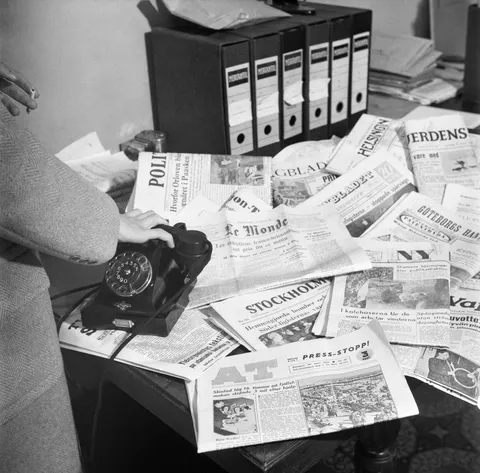
Keeping the voices of an old street, not just its pictures
Oral records preserve everyday language and personal memories. Consent, original recordings and clear editing notes are equally important.
By Sample editorial desk
Global Bole News
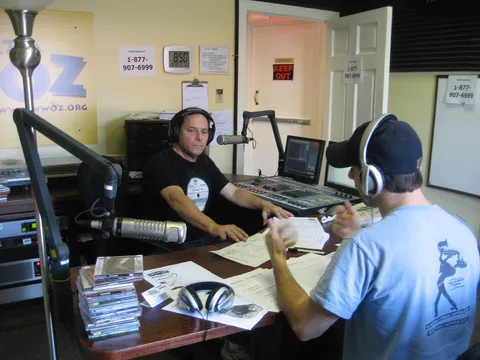
Image file / Global Bole News reference desk
Sample article for layout and feature testing. Scenarios are editorial demonstrations, not live news reports.
Starting point
Oral records preserve everyday language and personal memories. Consent, original recordings and clear editing notes are equally important.
This observation starts with a specific question rather than a universal answer. Experiences vary by place, time and participant. Those differences should be recorded, not collapsed into a general conclusion from a single visit.
Field notes
In this demonstration, an editor describes the visible process before listing unanswered questions. Text, photographs and tables complement one another. Unconfirmed explanations remain questions rather than being presented as facts.
Observation checklist
- Confirm place and observation time
- Separate observations, assumptions and suggestions
- Keep feedback from different users
| Observation | Method |
|---|---|
| Keeping the voices of an old street, not just its pictures | Field notes |
| Keep feedback from different users | Follow-up interviews |
What to verify next
A follow-up should use a comparable scope and preserve original materials and update dates. If conditions change, explain the change rather than comparing numbers that measure different things.
Editorial perspective
This article takes a technology perspective: how tools and data support reliable records and services, with clear operating conditions, information quality and maintenance responsibilities. Practical use, not a tool’s name, determines its value.