From one street to a whole city: a field guide to public life
Walking, resting, reading and conversation provide four starting points for an evolving record of public life.
By Sample editorial desk
Global Bole News
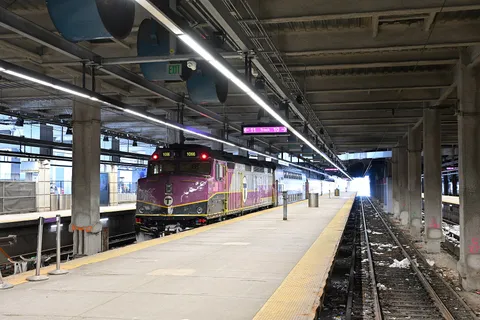
Image file / Global Bole News reference desk
Sample article for layout and feature testing. Scenarios are editorial demonstrations, not live news reports.
Starting point
Walking, resting, reading and conversation provide four starting points for an evolving record of public life.
This observation starts with a specific question rather than a universal answer. Experiences vary by place, time and participant. Those differences should be recorded, not collapsed into a general conclusion from a single visit.
Field notes
In this demonstration, an editor describes the visible process before listing unanswered questions. Text, photographs and tables complement one another. Unconfirmed explanations remain questions rather than being presented as facts.
Observation checklist
- Confirm place and observation time
- Separate observations, assumptions and suggestions
- Keep feedback from different users
| Observation | Method |
|---|---|
| From one street to a whole city: a field guide to public life | Field notes |
| Keep feedback from different users | Follow-up interviews |
What to verify next
A follow-up should use a comparable scope and preserve original materials and update dates. If conditions change, explain the change rather than comparing numbers that measure different things.
Observation checklist · 01—04
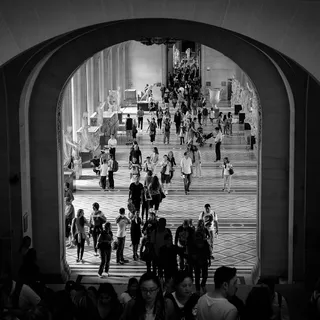
From doorstep to station: the details of a walk
Crossings, lighting and places to rest shape a walking route. Distance on a map cannot replace the experience of walking it.
A follow-up should use a comparable scope and preserve original materials and update dates. If conditions change, explain the change rather than comparing numbers that measure different things.
A bench is public infrastructure too
Location, shade and access describe seating better than a simple count. Street design should make room for the need to rest.
A follow-up should use a comparable scope and preserve original materials and update dates. If conditions change, explain the change rather than comparing numbers that measure different things.
Making room for different voices on a neighbourhood stage
Participation depends on rehearsal times and accessible entrances as well as programming. A steady rhythm can help small events build trust.
A follow-up should use a comparable scope and preserve original materials and update dates. If conditions change, explain the change rather than comparing numbers that measure different things.
A book brings strangers to the same table
A reading group need not demand a correct answer from everyone. Clear discussion rules and space for quiet participation welcome more people.
A follow-up should use a comparable scope and preserve original materials and update dates. If conditions change, explain the change rather than comparing numbers that measure different things.
| ID | Observation | Method | To be completed | What to verify next |
|---|---|---|---|---|
| OBSERVATION-2026-NEIGHBORHOOD-001 | Confirm place and observation time | Field notes | — | Follow-up interviews |
| OBSERVATION-2026-NEIGHBORHOOD-002 | Keep feedback from different users | Follow-up interviews | — | Field notes |
{ "record": "OBSERVATION-2026-NEIGHBORHOOD-001", "sample": true, "status": "draft", "source": "editorial-demonstration" }
Editorial perspective
This article examines innovation in existing services and collaboration, without calling every new activity a breakthrough. Identify user needs, the scope of a trial and a feedback method before judging whether an approach should be expanded.