Sample edition
Issue 2026-09-06
6 stories
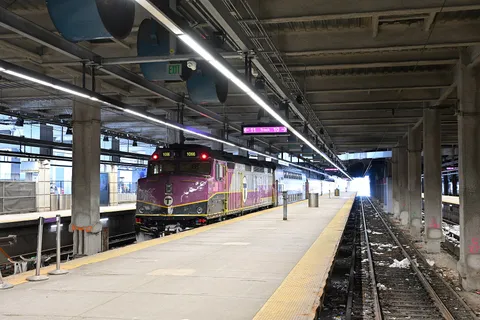
From one street to a whole city: a field guide to public life
Walking, resting, reading and conversation provide four starting points for an evolving record of public life.
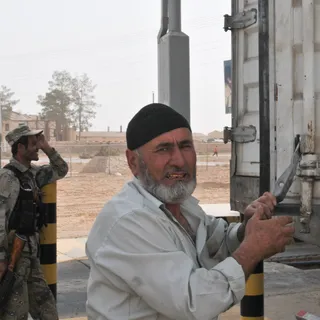
The last mile needs clearer delivery windows
Broad time windows leave recipients carrying the cost of waiting. Timely updates are more useful than precise promises that cannot be kept.
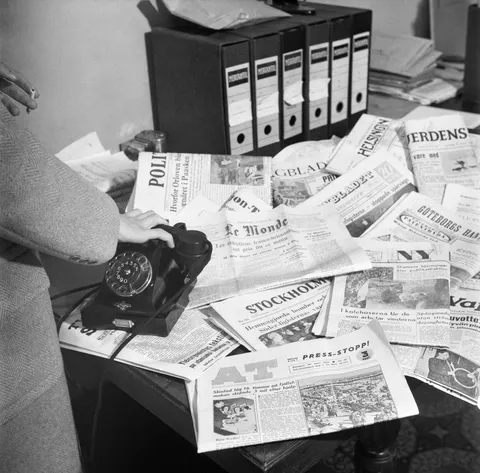
Keeping context when an archive moves online
Scanning is only the beginning. Sources, versions, dates and search labels determine whether readers can understand a record.
After a suggestion: making feedback traceable
Received, under review and answered are different states. Naming the responsible team and update time can reduce repeated enquiries.

A book brings strangers to the same table
A reading group need not demand a correct answer from everyone. Clear discussion rules and space for quiet participation welcome more people.

Learning across cities starts with everyday experience
Exchange programmes should leave more than group photos. Class schedules, practical support and participant feedback create reusable knowledge.